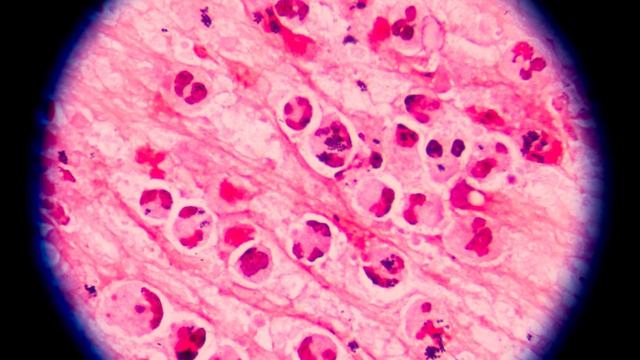
Cyclospora is a microscopic parasite that causes the intestinal illness, cyclosporiasis. It s commonly associated with fresh fruits and vegetables contaminated during growing, harvesting or processing. Previous outbreaks have involved lettuce, cilantro, basil, green onions, raspberries and other fresh produce. However, the source of the ongoing outbreak is currently unknown.
Rinsing Fruits, Vegetables and Herbs
- Rinsing produce may help reduce the amount of cyclospora on produce, but will not remove it entirely.
- Cut away any damaged or bruised areas.
- Rinse produce before peeling to avoid cross-contamination.
- Gently rub produce while holding under plain running water. Using soap or produce wash is not recommended.
- Use a clean vegetable brush to scrub firm produce such as cucumbers and melons.
- Remove the outermost leaves of a head of lettuce or cabbage.
Cooking
- If anyone in your family has a weakened immune system, consider avoiding raw fruits, vegetables and herbs.
- Cooking produce to 158ºF will kill cyclospora.
Note on Human Milk
Cyclospora does not pass through human milk and direct person-to-person spread is uncommon.
More Ways to Reduce Your Risk at Home
- Choose whole produce instead of pre-cut or bagged options.
- Keep ready-to-eat food separate from raw produce during preparation.
- Wash hands and use clean cutting boards, utensils and surfaces to prevent cross-contamination whenever possible.
Fact Sheet
For more information contact ncsafeplates@ncsu.edu
Cyclospora Facts for the Retail Food Establishment
Cyclospora is a microscopic parasite that causes the intestinal illness, cyclospriasis. There are certain produce items that have been historically linked to cyclospora outbreaks including fresh herbs like parsley, cilantro and basil, bagged lettuce and leafy greens, snow peas, scallions and some fruits such as berries, mangos, and prepared fruit salads or fruit trays.
Modifying the Menu
Cooking produce to 158ºF will kill cyclospora. Consider changing recipes to include only cooked high risk produce items. Consider modifying recipes or menu items to exclude high risk foods during times of increased cases (generally summer months).
Rinsing Produce
- Rinsing produce may help reduce the amount of cyclospora on produce, but it will not remove it all.
- Cut away any damaged or bruised areas
- Rinse produce before peeling to avoid cross-contamination
- Gently rub produce while holding under plain running water. There is no need to use soap or produce wash.
- Use a clean vegetable brush to scrub firm produce such as cucumbers and melons.
- Remove the outermost leaves of a head of lettuce or cabbage
Personal Hygiene
- Wash hands thoroughly and change gloves after handling raw produce to reduce risk of cross-contamination.
Record Keeping
- It is important to keep records and invoices of all fresh produce that is used. if there are illnesses assciated with your food business, the local health department will need copies of these invoices to help with traceback.
Fact Sheet
For more information contact ncsafeplates@ncsu.edu