Cabbage-Goodness in Every Leaf

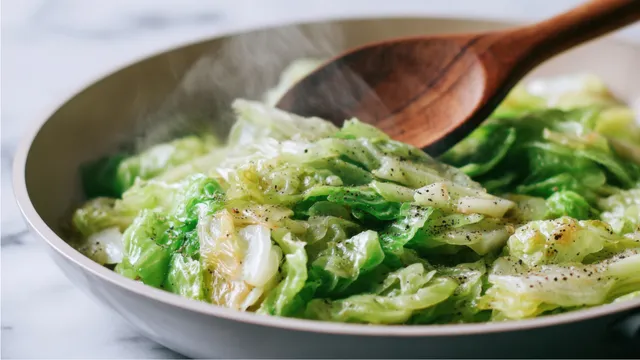
cooking cabbage in a skillet

Cabbage may be a familiar vegetable, but this humble leafy green packs an impressive nutritional punch. Available in several varieties – including green, red, Napa, and Savoy – cabbage is affordable, versatile, and easy to add to everyday meals.

From crunchy coleslaw and fresh salads to soups, stir-fries, and roasted dishes, cabbage can be enjoyed in many different ways. It is also an excellent choice for families looking for nutritious foods that are budget-friendly and easy to prepare.

Cabbage belongs to the cruciferous vegetable family, along with broccoli, cauliflower, Brussels sprouts, and kale. Like its relatives, cabbage provides important vitamins, minerals, fiber, and beneficial plant compounds.

Nutrition Spotlight

One cup of chopped raw green cabbage provides approximately:

  • 22 calories
  • 5 grams of carbohydrates
  • 2 grams of dietary fiber
  • 1 gram of protein
  • 0 grams of fat
  • Vitamin C
  • Vitamin K
  • Folate
  • Potassium
  • Calcium

Cabbage is naturally low in calories and fat while providing valuable nutrients. It is also naturally cholesterol-free and sodium-free, making it an easy addition to a balanced eating pattern.

Color Matters!

Try different varieties of cabbage. Red or purple cabbage contains anthocyanins, natural plant pigments with antioxidant properties, while green cabbage provides its own variety of beneficial nutrients and plant compounds.

Health Benefits:

Supports Immune Health

Cabbage is a good source of vitamin C, an important nutrient that supports normal immune function and helps the body maintain healthy skin and tissues.

Promotes Digestive Health

The fiber in cabbage supports healthy digestion and helps promote regular bowel movements. Fiber can also help you feel satisfied after meals.

Supports Bone Health

Cabbage provides vitamin K, a nutrient involved in normal blood clotting and bone health. Including a variety of vegetables in your diet helps provide the nutrients needed to maintain strong bones.

Provides Antioxidants

Cabbage contains vitamin C and other beneficial plant compounds that have antioxidant properties. Antioxidants help protect cells from oxidative stress.

Heart-Healthy Choice

Cabbage is naturally low in calories, fat, and sodium while providing fiber and potassium. As part of an overall healthy eating pattern, vegetables such as cabbage can support cardiovascular health.

Recipe Corner

Simple Skillet Cabbage

This quick and flavorful recipe is an easy way to put cabbage on the dinner table.

Ingredients

  • 1 small head green cabbage, chopped
  • 1 small onion, sliced
  • 1 tablespoon olive oil
  • 2 cloves garlic, minced
  • ½ cup low-sodium vegetable or chicken broth
  • ¼ teaspoon black pepper
  • ½ teaspoon smoked paprika
  • 1 tablespoon apple cider vinegar
  • Salt, to taste

Directions

  1. Heat olive oil in a large skillet over medium heat.
  2. Add the onion and cook for 3–4 minutes until softened.
  3. Add the garlic and cook for about 30 seconds.
  4. Add the chopped cabbage and stir to combine.
  5. Pour in the broth and sprinkle with black pepper and smoked paprika.
  6. Cover and cook for 8–10 minutes, stirring occasionally, until the cabbage is tender but still slightly crisp.
  7. Remove the lid and stir in the apple cider vinegar.

Taste and adjust the seasoning as needed. Serve warm.

Serving Suggestion: Pair cabbage with black-eyed peas or southern peas and whole-grain cornbread for a satisfying Southern-inspired meal.

Nutrition Tip: Use herbs, spices, garlic, onion, or a splash of vinegar to add flavor without relying heavily on salt.

Did You Know?

Cabbage has been cultivated for thousands of years and is one of the oldest cultivated vegetables. It also stores well when kept properly refrigerated, making it a practical choice for reducing food waste.

Cooking Tip: Don't throw away the outer cabbage leaves if they are clean and fresh. They can be chopped and added to soups, stews, stir-fries, or other cooked dishes.

Healthy Living Tip

Make vegetables the star of one meal this week.

Instead of thinking of vegetables only as a side dish, build a meal around them. Try a cabbage and vegetable stir-fry served over brown rice, a hearty cabbage soup with beans, or a colorful cabbage salad topped with grilled chicken.

A simple goal is to add more vegetables before worrying about what to take away. Small changes like adding an extra serving of vegetables to your meals can help you move toward a healthier eating pattern.

Food Safety Corner

Before preparing cabbage, wash your hands and clean your preparation surfaces. Remove any damaged or wilted outer leaves, then rinse the cabbage under cool running water. Avoid using soap or produce washes unless specifically recommended by your local food safety authority.

Keep cut cabbage refrigerated and use clean utensils and containers when storing leftovers.

Healthy Challenge of the Month

Try Cabbage Three Ways!

This month, challenge yourself to prepare cabbage in three different ways:

☐ Enjoy it raw in a salad or slaw. ☐ Add it to a soup or stew. ☐ Cook it by roasting, sautéing, or stir-frying.

Trying a familiar vegetable in a new way can make healthy eating more interesting and enjoyable.

Sources: U.S. Department of Agriculture, FoodData Central, U.S. Department of Agriculture, MyPlate, National Center for Home Food Preservation, Academy of Nutrition and Dietetics, American Heart Association, Cooperative Extension nutrition and food safety publications.

Disclaimer: The information provided in this newsletter is for educational purposes only and is not intended to replace advice from your physician or other qualified healthcare provider.